Enzyme Coil Cleaning Services in East Snellville: Professional HVAC Maintenance for Optimal Air Quality
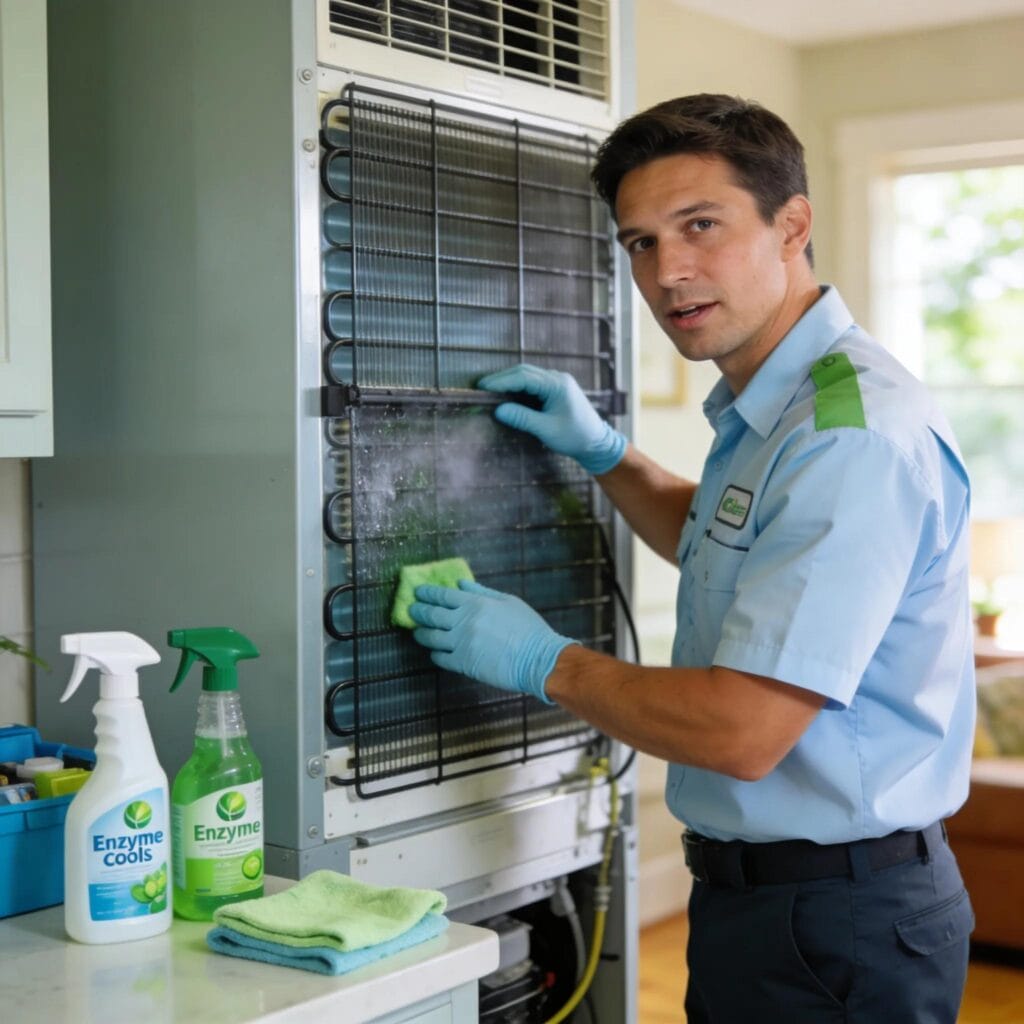
Enzyme coil cleaning has become an essential service for maintaining the efficiency and longevity of HVAC systems. This method utilizes naturally occurring enzymes to break down dirt and grime on coils, ultimately enhancing air quality and energy efficiency. Residents of East Snellville can benefit substantially from enzyme-based cleaning solutions, as they are not only efficient but also environmentally friendly. Throughout this article, we will explore various aspects of enzyme coil cleaning, including its benefits, methods, and local service options, alongside key considerations for choosing the right solutions for your HVAC system. We’ll cover the workings of enzyme cleaning, its impact on air quality, and how regular maintenance can yield long-term savings.
Expert Enzyme Coil Cleaning Services in East Snellville
Enzyme-based coil cleaning offers several significant advantages for both the HVAC system and the environment. First and foremost, this method effectively enhances cleaning efficiency, ensuring that coils remain free from harmful contaminants. Moreover, enzyme cleaners are biodegradable and produce fewer harsh chemicals, which translates to a lesser environmental impact. This eco-friendly aspect aligns well with the growing need for sustainable maintenance solutions. Additionally, regular enzyme coil cleaning contributes to cost-effectiveness by potentially lowering energy bills through improved HVAC efficiency.
How Does Enzyme Cleaning Improve HVAC System Efficiency?
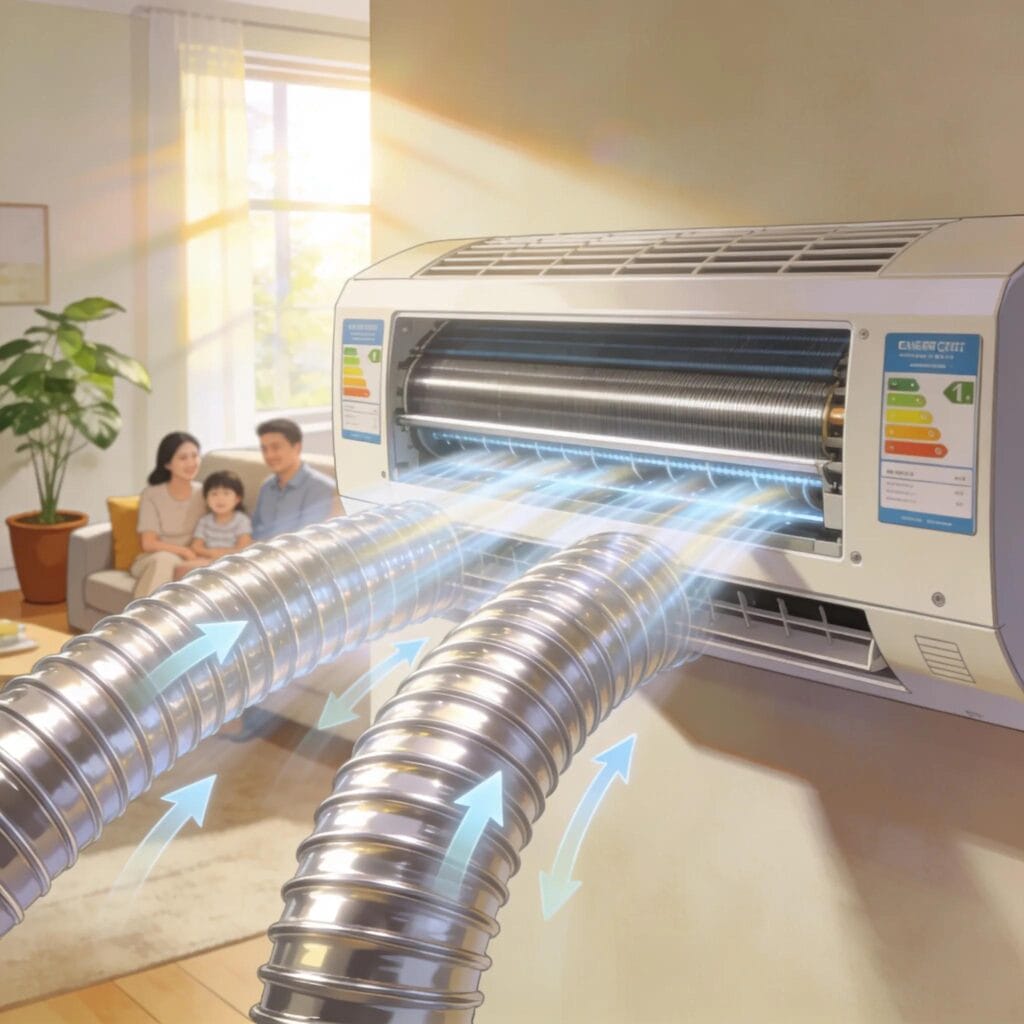
Enzyme cleaning works by breaking down organic deposits that accumulate on coils, allowing for better airflow and heat exchange. The enzymatic activity results in a cleaner surface, which minimizes the energy required to operate the system effectively. With cleaner coils, HVAC systems can maintain desired temperatures without overworking the compressor, thereby reducing energy consumption and enhancing overall system efficiency. This improvement in efficiency not only supports lower utility costs but also allows the HVAC system to have a longer operational lifespan.
What Environmental Advantages Do Enzyme Cleaners Offer?
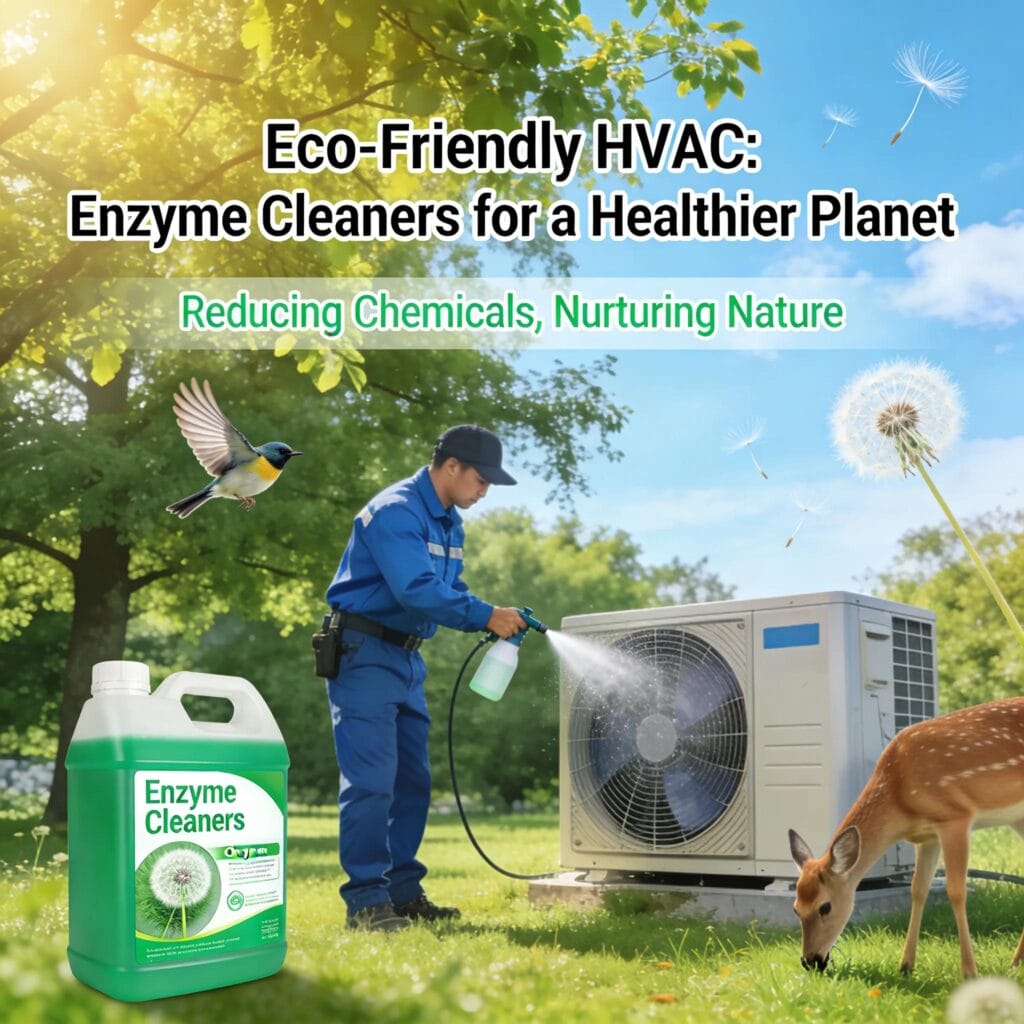
Using enzyme cleaners provides several environmental benefits, primarily due to their biodegradable nature. Unlike traditional chemical cleaners, enzyme-based solutions break down into harmless substances, reducing chemical runoff into the surrounding ecosystem. This property helps safeguard local wildlife and promotes better air quality. Additionally, the reduced need for harsh chemicals in HVAC maintenance aligns with environmental regulations and community health initiatives. This conscious approach not only promotes cleaner indoor environments but also contributes positively to the broader ecological footprint.
How Does the No Rinse Coil Cleaning Method Work for HVAC Systems?
The no rinse coil cleaning method leverages the power of enzymes without the need for extensive rinsing, making it an extremely efficient option. This technique allows enzymes to work on the coils without introducing excess water, which can sometimes lead to mold growth and other complications. The residues left behind after the cleaning solution dries are initially harmless and prevent future buildup, ultimately producing cleaner coils with no additional rinse required.
What Are the Steps Involved in Enzyme Coil Cleaning Procedures?
The typical procedure for enzyme coil cleaning involves multiple steps to ensure thorough maintenance of HVAC systems. First, the area is prepared by shutting down the HVAC unit and removing any accessible debris from the coils. Next, the enzyme cleaner is applied uniformly across the coil surface, allowing it time to work its magic. After sufficient exposure, technicians wipe off any excess cleaner and conduct a visual inspection to confirm thorough cleaning. Finally, the system is restarted to verify operational efficiency.
Why Is No Rinse Technique Preferred for Coil Maintenance?
The no rinse technique is favored for several reasons, primarily for its efficiency and reduced environmental impact. By eliminating the need for rinsing, it conserves water and minimizes the potential for water-related damage. Additionally, this method decreases the risk of mold and bacteria growing in areas that remain damp after traditional rinsing methods. This practical approach not only streamlines the cleaning process but also improves the overall durability and cleanliness of HVAC components.
Which Enzyme Cleaning Solutions Are Available for HVAC Coil Maintenance in East Snellville?
East Snellville features a range of enzyme cleaning products specifically tailored for HVAC coil maintenance. These products leverage active enzyme ingredients to ensure effective cleanup and system health. When selecting an appropriate cleaning solution, it is essential to consider formulations that blend efficacy with environmental safety.
What Are the Active Ingredients in Enzyme Coil Cleaners?
Enzyme coil cleaners often contain a variety of active ingredients that work synergistically to achieve optimal cleaning performance. Common ingredients include proteases, which break down proteins; amylases, which target carbohydrates; and lipases, which handle fats and oils. Each component plays a vital role in addressing specific forms of grime found on coils. Understanding these ingredients allows HVAC professionals to choose the most effective cleaning solutions for various maintenance needs.
Enzyme Technology for Enhanced Cleaning Performance
1. Enzymes in laundry detergents and household cleaners make a significant contribution to enhancing the performance and improving the environmental properties of laundry detergents and household cleaners. They are also essential for differentiating premium brands in relation to standard and “value-for-money” products. Proteases, amylases, cellulases, lipases, mannanases, and pectate lyases are used in detergents. In automatic dishwashing detergents, it is proteases and amylases. In this chapter, performance characteristics of the enzymes and the typical requirements of the different enzyme classes for these products are discussed. The benefits of enzyme technology to the sustainability of washing are assessed, as are aspects of health, safety, and environmental relevance. The economic importance is touched on and an outlook on the expected future is attempted.2. Dreja M, Vockenroth I, Plath N, Schneider C, Martinez M. Formulation, performance and sustainability aspects of liquid laundry detergents. Tenside Surfactants Detergents. 2014;51:108–112.3. Herbots I, Kottwitz B, Reilly PJ, Antrim RL, Burrows H, Lenting HBM, Viikari L, Suurnäkki A, Niku-Paavola M-L, Pere J, Buchert J. Enzymes—non-food application. In: Ullmann’s encyclopedia of industrial chemistry. Weinheim: Wiley-VCH; 2012.4. Maurer K-H. Detergent proteases. In: Grunwald P, editor. Industrial biocatalysis. Singapore: Pan Stanford; 2015.5. Olsen HS, Falholt P. The role of enzymes in modern detergency. J Surfactants Detergents. 1998;1:555–567. Enzymes in detergents and cleaning agents, 2024
This perspective on the varied applications and benefits of enzymes for cleaning is further supported by research into their performance and sustainability aspects in various cleaning contexts.
How to Choose the Right Coil Cleaning Product for Your HVAC System?
When selecting an enzyme coil cleaning product, there are several considerations to keep in mind. First, evaluate the specific needs of your HVAC system, including coil type and level of contamination. Additionally, look for products with proven performance metrics, along with certifications that indicate safety and effectiveness. Researching consumer reviews can also provide insights into the reputability of various brands and their effectiveness in real-world applications.
What Should East Snellville Residents Know About Local Coil Cleaning Service Providers?
East Snellville has a variety of local providers specializing in enzyme coil cleaning services. For residents looking to hire professional technicians, it is vital to assess their qualifications and reputation within the community.
Which Commercial Coil Cleaning Companies Offer Enzyme Services in Snellville?
Many commercial cleaning companies in Snellville now offer enzyme coil cleaning services. It is advisable to choose contractors who focus on environmentally friendly and effective solutions. Evaluating the availability of customer testimonials can also indicate a company’s reliability and service quality.
How to Evaluate Professional HVAC Coil Maintenance Services?
To ensure successful HVAC maintenance, consider several key factors when evaluating service providers:
- Experience: Review their years of service and specialized training in enzyme cleaning methods.
- Customer Feedback: Check for customer ratings and reviews to gauge satisfaction levels.
- Service Guarantees: Establish if they provide warranties or satisfaction guarantees on their cleaning services.
These factors will help in selecting an HVAC maintenance provider that aligns with your specific needs.
How Can Regular Enzyme Coil Cleaning Enhance Indoor Air Quality in East Snellville Homes?
Regular enzyme coil cleaning significantly contributes to improved indoor air quality in residences. Clean coils produce cleaner air, which is vital for the health and comfort of a household’s inhabitants. As contaminants are removed, the risk of allergens and other airborne pollutants decreases.
What Is the Impact of Coil Cleaning on Reducing Airborne Contaminants?
Coil cleaning directly impacts indoor air quality by reducing allergens and other harmful particles in circulation. As HVAC systems circulate air, any contaminants adhered to coils could enter living spaces. With proper cleaning, residents can experience fewer respiratory issues and better overall health. Research shows that regular maintenance can reduce the prevalence of indoor allergens by up to 50%.
How Often Should HVAC Coils Be Maintained Using Enzyme Cleaners?
HVAC systems should generally have their coils cleaned at least once a year, with more frequent cleaning for systems operating in dust-prone or high-pollution areas. Enzyme cleaning not only maintains system efficiency but also prevents the buildup of debris that can compromise indoor air quality. Consulting with HVAC experts for personal system recommendations can ensure optimal maintenance intervals.
What Are the Cost and ROI Considerations for Enzyme Coil Cleaning Services in East Snellville?
Understanding the cost and return on investment (ROI) for enzyme coil cleaning is essential for East Snellville residents seeking to keep their HVAC systems running efficiently. By analyzing the expenses versus potential savings, homeowners can make informed decisions about their maintenance schedules.
How Does Enzyme Coil Cleaning Compare Cost-Wise to Traditional Methods?
When comparing enzyme coil cleaning to traditional methods, it is crucial to consider both the upfront costs and long-term savings. Enzyme cleaning products typically range from $50 to $150, whereas chemical cleaners can incur additional costs for water use and potential wastage. In terms of operational longevity and efficiency, enzyme cleaning often results in lower energy bills, making it a cost-effective long-term investment.
What Long-Term Savings Result from Regular Enzyme Coil Maintenance?
Investing in regular enzyme coil maintenance can lead to significant long-term savings. Studies suggest that proper maintenance can reduce energy costs by up to 30% over time, as cleaner coils enhance system efficiency. Furthermore, minimizing wear and tear on HVAC components through regular cleaning extends their lifespan, potentially saving thousands in replacement costs. This nuanced understanding of cost-benefit dynamics makes enzyme coil cleaning a wise choice for homeowners aiming for both economic and environmental benefits.
Expert Insight on the Importance of Enzyme Coil Cleaning
Dr. Emily Carter, a leading environmental engineer and HVAC specialist, emphasizes the critical role that enzyme-based cleaning methods play in sustainable HVAC maintenance: “Enzyme coil cleaning not only improves system efficiency but also represents a paradigm shift in how we approach environmental responsibility within building maintenance. The natural enzymatic breakdown of contaminants reduces reliance on harsh chemicals, significantly lowering the ecological footprint of HVAC upkeep. For homeowners in East Snellville, adopting enzyme cleaning techniques means benefiting from cleaner air, lower energy costs, and ongoing protection of local ecosystems. This approach exemplifies how innovative science can support both performance and sustainability in everyday living.” Dr. Carter’s extensive research and consulting work reinforce the growing consensus that enzyme cleaning is both an effective and ecologically sound choice for HVAC maintenance.