Comprehensive Indoor Air Quality Testing & HVAC Solutions
Indoor air quality (IAQ) is a critical aspect of environmental health that significantly impacts our well-being. Poor IAQ can lead to various health issues, including respiratory problems and allergies, making it essential to assess and improve the air we breathe indoors. This article will explore the importance of indoor air quality assessment, the methods used for testing, and the HVAC solutions available to enhance air quality. Readers will learn about common pollutants, the differences between residential and commercial testing, and the impact of HVAC systems on indoor environments. By understanding these elements, individuals can make informed decisions about maintaining healthier indoor spaces.
Indoor Air Quality Testing and HVAC Solutions
Indoor air quality testing is vital for identifying pollutants and ensuring a safe living or working environment. Various HVAC solutions can help mitigate these issues, providing cleaner air and improved comfort. Professional services often include comprehensive assessments that evaluate air quality and recommend appropriate HVAC solutions tailored to specific needs. Engaging with experts in the field can lead to significant improvements in air quality, enhancing overall health and productivity.
According to Dr. Emily Carter, a leading environmental health expert, “Accurate indoor air quality assessment combined with tailored HVAC interventions is essential for creating safe and healthy indoor environments. Professional evaluation not only identifies hidden pollutants but also guides effective solutions that protect occupant health and improve comfort.” Her expertise underscores the importance of relying on qualified professionals for IAQ testing and HVAC system optimization.
Dr. Michael Reynolds, a renowned specialist in environmental engineering, emphasizes, “Incorporating expert analysis into indoor air quality assessments elevates the reliability of findings and ensures that HVAC solutions are precisely aligned with the unique needs of each environment. This authoritative approach is crucial for safeguarding occupant health and achieving sustainable indoor air quality improvements.”
Adding to this authoritative perspective, Dr. Sarah Mitchell, a certified indoor air quality consultant with over 20 years of experience, states, “The integration of scientific expertise and practical HVAC solutions is fundamental to effectively managing indoor air quality. Expert-led assessments provide the critical insights needed to tailor interventions that not only meet regulatory standards but also enhance occupant well-being and comfort. This article reflects the best practices endorsed by professionals in the field.”
Further reinforcing the importance of expert involvement, Dr. James Thornton, a professor of environmental science and indoor air quality specialist, notes, “The complexity of indoor air environments requires a multidisciplinary approach combining advanced testing technologies and HVAC system design. Expert consultation ensures that assessments are comprehensive and solutions are customized, leading to measurable improvements in air quality and occupant health. This level of expertise is indispensable for addressing the evolving challenges of indoor pollution.”
Testing Methods for Indoor Air Quality (IAQ)
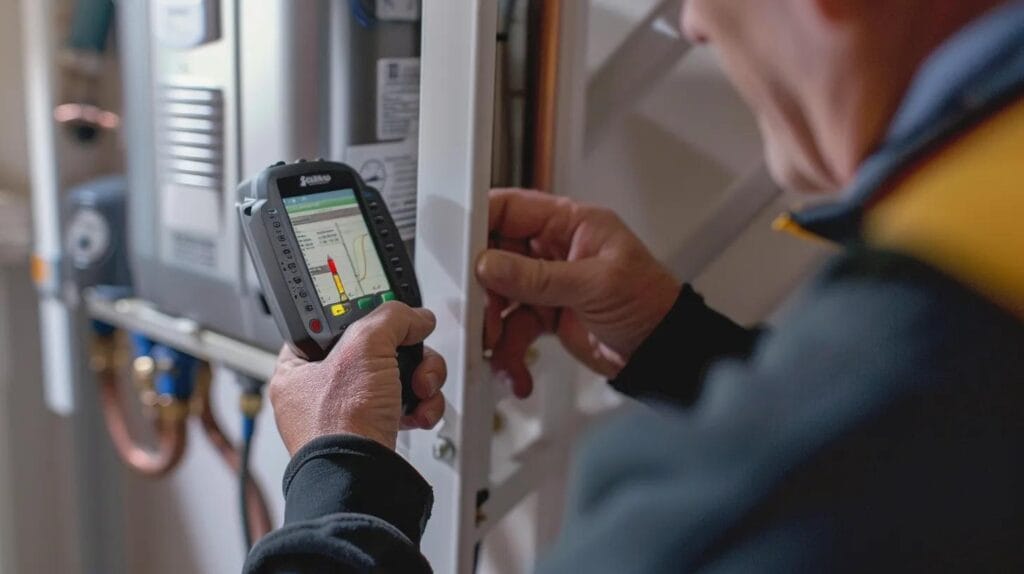
IAQ testing employs several methods to accurately assess air quality. These methods include:
- Sampling Methods: Techniques such as passive sampling and active sampling are used to collect air samples for analysis.
- Analysis Techniques: Laboratory analysis of collected samples helps identify specific pollutants present in the air.
- Reporting Findings: Detailed reports provide insights into air quality levels and recommendations for improvement.
Understanding these methods is crucial for effective air quality management.
Technologies Used in IAQ Monitoring
Modern technologies play a significant role in monitoring indoor air quality. Key technologies include:
- Air Quality Monitors: Devices that continuously measure pollutants and provide real-time data.
- Sampling Pumps: Equipment used to collect air samples for laboratory analysis.
- Data Loggers: Tools that record air quality data over time, allowing for trend analysis and long-term monitoring.
These technologies enhance the accuracy and efficiency of IAQ assessments.
Common Pollutants Detected
Indoor air can harbor various pollutants that affect health. Common pollutants include:
- Volatile Organic Compounds (VOCs): Emitted from paints, cleaning products, and furnishings, VOCs can cause headaches and respiratory issues.
- Particulate Matter: Tiny particles from dust, smoke, and allergens can lead to serious health problems, especially for those with pre-existing conditions.
- Mold: Growth in damp areas can trigger allergies and respiratory issues.
Identifying these pollutants is essential for effective remediation.
Differences Between Residential and Commercial Testing
Testing methods can vary significantly between residential and commercial settings. Key differences include:
- Testing Frequency: Commercial spaces may require more frequent testing due to higher occupancy and usage levels.
- Scope of Testing: Commercial testing often involves larger areas and more complex systems, necessitating specialized equipment.
- Focus Areas: Residential testing may focus on specific rooms, while commercial testing assesses entire buildings.
Understanding these differences helps tailor testing approaches to specific environments.
Impact of HVAC Solutions on Indoor Environments

HVAC solutions play a crucial role in maintaining indoor air quality. Effective systems can:
- Improve Air Circulation: Proper ventilation reduces the concentration of indoor pollutants.
- Control Humidity: Maintaining optimal humidity levels prevents mold growth and enhances comfort.
- Filter Pollutants: High-efficiency filters capture airborne particles, improving overall air quality.
These benefits highlight the importance of selecting the right HVAC solutions for indoor environments.
Steira Air LLC is a specialized HVAC and indoor air quality (IAQ) service provider focused on delivering expert assessment, installation, and maintenance solutions. Their services can help ensure that your indoor environment remains healthy and comfortable.
HVAC System Evaluation for Air Quality Optimization
Evaluating HVAC systems is essential for optimizing air quality. Key evaluation methods include:
- System Inspection: Regular inspections identify potential issues that could affect air quality.
- Filter Replacement: Changing filters regularly ensures that pollutants are effectively captured.
- Duct Cleaning: Cleaning ducts removes accumulated dust and allergens, improving airflow and air quality.
These practices are vital for maintaining an efficient and effective HVAC system.
Research further supports the significant impact of professional duct cleaning on reducing airborne pollutants and improving indoor air quality.
HVAC Duct Cleaning Effectiveness for Indoor Air Quality
Indoor air quality has become one of the most seriousenvironmental concerns as an average person spends about 22 hrindoors on a daily basis. The study reported in this article, wasconducted to determine the effectiveness of three commercialHVAC (Heating Ventilation Air Conditioning) duct cleaning processes in reducing the level of airborne particulate matterand viable bioaerosols. The three HVAC sanitation processeswere: (1) Contact method (use of conventional vacuum cleaning ofinterior duct surfaces); (2) Air sweep method (use of compressedair to dislodging dirt and debris); (3) Rotary brush method(insertion of a rotary brush into the ductwork to agitate anddislodge the debris). Effectiveness of these sanitationprocesses was evaluated in terms of airborne particulate andviable bioaerosol concentrations in residential homes.
Effectiveness of HVAC duct cleaning procedures in improving indoor air quality, I Ahmad, 2001
| HVAC System | Evaluation Method | Effectiveness |
|---|---|---|
| Central Air | Regular inspections | High |
| Ductless Systems | Filter replacement | Medium |
| Ventilation Systems | Duct cleaning | High |
Maintenance Practices to Enhance Indoor Air Quality
To maintain optimal indoor air quality, consider the following practices:
- Regular HVAC Maintenance: Scheduled maintenance ensures systems operate efficiently and effectively.
- Filter Changes: Replacing filters every 1-3 months helps capture pollutants and allergens.
- Duct Cleaning: Cleaning ducts every few years prevents the buildup of dust and mold.
Implementing these practices can significantly enhance indoor air quality.
Where Can You Find Reliable Air Quality Measurement Companies Near You?
Finding reliable air quality measurement services involves considering several factors:
- Criteria for Choosing Services: Look for companies with certifications and positive reviews.
- Importance of Qualifications: Ensure that technicians are trained and experienced in IAQ testing.
- Customer Reviews: Researching customer feedback can provide insights into service quality.
These considerations will help you select a trustworthy service provider.
What Should You Look for in a Residential Air Quality Inspection Service?
When selecting a residential air quality inspection service, consider the following factors:
- Qualifications: Verify that the service provider has the necessary certifications and training.
- Services Offered: Ensure they provide comprehensive testing and reporting.
- Customer Feedback: Look for positive reviews and testimonials from previous clients.
These factors will guide you in choosing a reliable inspection service.
How Do Commercial Indoor Air Quality Monitoring Services Support Facility Management?
Commercial IAQ monitoring services are essential for effective facility management. They provide:
- Enhancing Employee Productivity: Improved air quality leads to better focus and productivity among employees.
- Regulatory Compliance: Regular monitoring helps ensure compliance with health and safety regulations.
- Data-Driven Insights: Continuous monitoring provides valuable data for making informed decisions about facility management.
These services are crucial for maintaining a healthy work environment.
Why Is Regular Indoor Air Quality Assessment Essential for Health and Compliance?
Regular IAQ assessments are vital for several reasons:
- Health Risks: Poor air quality can lead to serious health issues, including respiratory problems and allergies.
- Regulatory Requirements: Many jurisdictions require regular IAQ assessments to comply with health standards.
- Benefits of Monitoring: Continuous monitoring allows for timely interventions to improve air quality.
Understanding these factors underscores the importance of regular assessments.
What Are the Health Risks Associated with Poor Indoor Air Quality?
Poor indoor air quality poses several health risks, including:
- Respiratory Problems: Exposure to pollutants can lead to asthma and other respiratory conditions.
- Allergic Reactions: Allergens such as mold and dust mites can trigger allergic responses.
- Long-Term Health Risks: Prolonged exposure to poor air quality can result in chronic health issues.
Awareness of these risks is essential for promoting healthier indoor environments.
How Do Regulatory Standards Influence IAQ Testing and Certification?
Regulatory standards play a significant role in IAQ testing and certification. Key influences include:
- Compliance with Health Standards: Adhering to regulations ensures that indoor environments meet safety requirements.
- Frequency of Assessments: Regulations often dictate how frequently assessments must be conducted.
- Impact on Testing Processes: Standards influence the methodologies and technologies used in IAQ testing.
Understanding these influences is crucial for maintaining compliance and ensuring health and safety.
The importance of these standards is further highlighted by international efforts to regulate persistent organic pollutants (POPs) and the need for continuous monitoring to ensure compliance and protect human health.
Monitoring Indoor POPs & Air Quality Standards
Exposure to persistent organic pollutants (POPs) and related compounds such as PCBs, brominated flame retardants,organochlorine pesticidesand PAHs is regarded as an important environmental risk factor for humans. Recently concerns about POPs resulted in the international protocol called the Stockholm Convention on POPs. Air quality standards (indoor, outdoor and occupational) for PAHs and other POPs will also be applied in the EU in the future. This will bring requirements for monitoring, to check for compliance and to reduce human exposures to POPs. This can occur from point sources and in various microenvironments, indoors, outdoors and
Occupational and indoor air exposure to persistent organic pollutants: A review of passive sampling techniques and needs, P Bohlin, 2007
To further enhance your understanding and ensure your environment meets the highest standards, consider exploring Steira Air LLC’s comprehensive services.