Understanding the Importance of Indoor Air Quality (IAQ)
Indoor air quality (IAQ) is crucial for creating a healthy environment, especially in commercial buildings. Poor IAQ can lead to various health issues, including respiratory problems and decreased productivity among employees. Understanding the factors that affect IAQ is essential for building managers and business owners who want to ensure a safe and comfortable workplace.
Common pollutants such as dust, mold, and volatile organic compounds (VOCs) can significantly impact the air quality in indoor spaces. Regular monitoring and maintenance of HVAC systems, along with proper ventilation, can help mitigate these risks and enhance the overall air quality. Implementing strategies like routine air quality assessments and investing in air purification systems can also contribute to healthier indoor environments.
Essential HVAC Maintenance Practices for Commercial Buildings
Regular HVAC maintenance is vital for ensuring the efficiency and longevity of heating and cooling systems in commercial buildings. Neglecting maintenance can lead to increased energy costs, system breakdowns, and poor indoor air quality. Establishing a routine maintenance schedule can help identify issues early and keep systems operating smoothly.
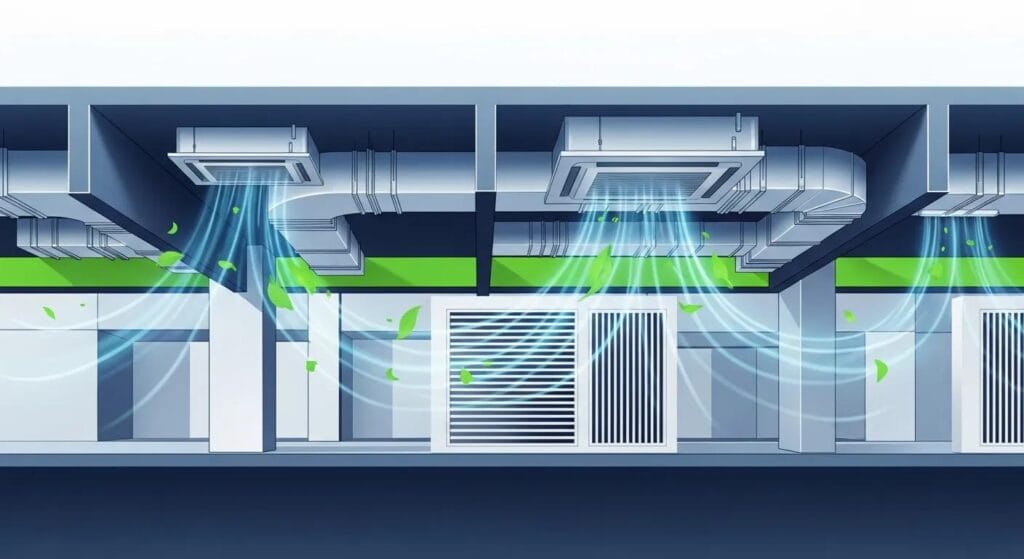
Key maintenance practices include changing air filters regularly, cleaning ducts, and scheduling professional inspections at least twice a year. Additionally, ensuring that all components, such as fans and coils, are clean and functioning properly can prevent costly repairs and improve energy efficiency, ultimately resulting in a healthier and more comfortable environment for occupants.
Innovative Technologies for Enhancing Indoor Air Quality
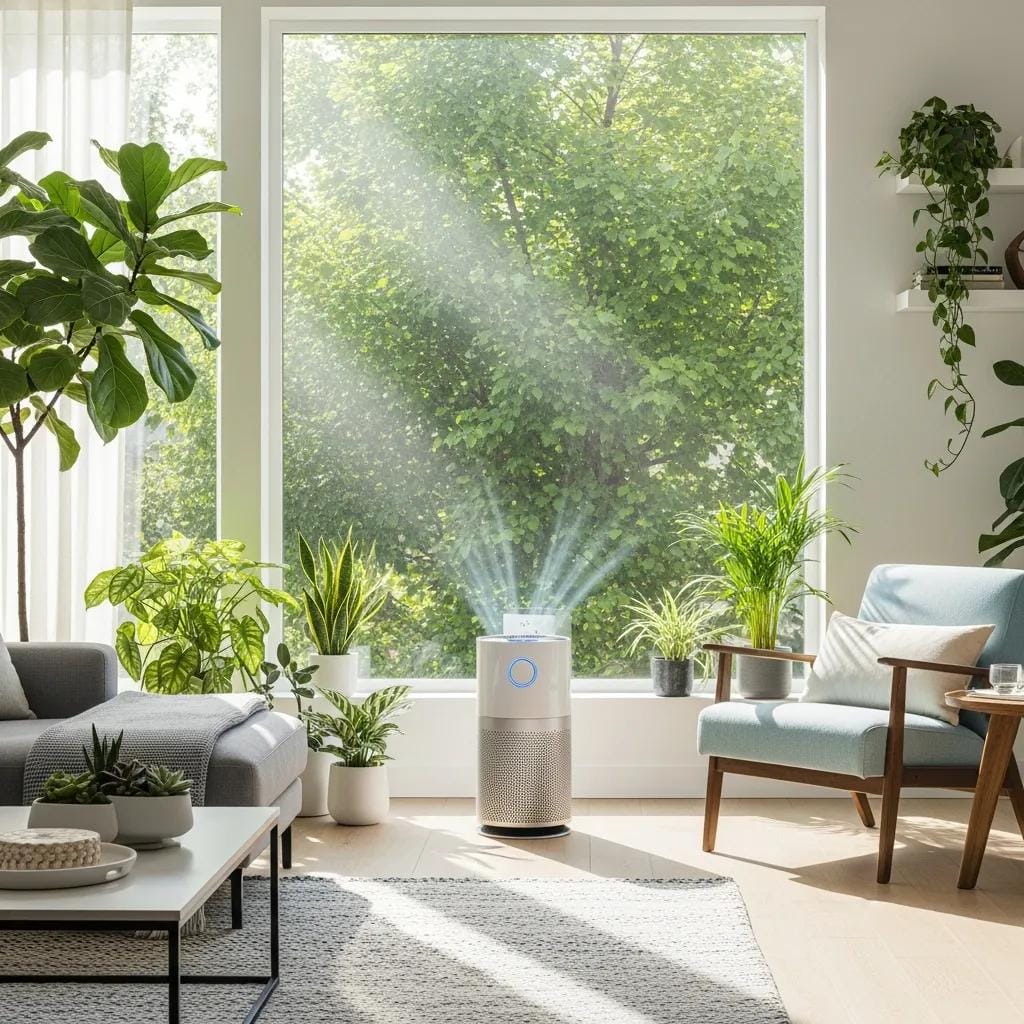
Advancements in technology are offering new solutions for improving indoor air quality in commercial spaces. From smart HVAC systems that adjust settings based on occupancy to air purifiers that eliminate pollutants, these innovations are making it easier for businesses to maintain a healthy indoor environment. Understanding these technologies can help facility managers make informed decisions about their air quality strategies.
For instance, integrating IoT devices can provide real-time monitoring of air quality metrics, allowing for immediate adjustments when levels of pollutants rise. Additionally, using UV-C light systems in HVAC units can help reduce the spread of airborne pathogens, further enhancing the health and safety of indoor spaces. Investing in these technologies can lead to significant long-term benefits for both employee wellbeing and operational efficiency.
Common Indoor Air Quality Issues in Commercial Buildings
Commercial buildings often face specific indoor air quality challenges that can affect employee health and productivity. Issues such as inadequate ventilation, moisture buildup, and the presence of harmful chemicals can lead to a range of health problems, including headaches, fatigue, and respiratory issues. Identifying these problems is the first step toward implementing effective solutions.
For example, inadequate ventilation can result from poorly designed HVAC systems or blocked air ducts, leading to stale air and increased levels of indoor pollutants. Moisture issues can arise from leaks or high humidity levels, promoting mold growth. Conducting regular air quality assessments and addressing these common issues proactively can help create a healthier work environment and improve overall employee satisfaction.