Complete Guide to Reducing Indoor Air Pollution with HVAC Solutions
Indoor air pollution is a significant concern for many households and businesses, as it can lead to various health issues and discomfort. Understanding how to effectively reduce indoor air pollution is essential for creating a healthier living and working environment. This article will explore various strategies and solutions, focusing on expert HVAC systems and air quality improvement techniques. By implementing these methods, you can significantly enhance the air quality in your space, leading to better health outcomes and increased comfort.
In this guide, we will cover expert HVAC solutions, practical air quality improvement strategies, and tips for maintaining a healthy indoor environment. We will also discuss the primary indoor air pollutants affecting your health and how HVAC system upgrades can improve indoor air quality. By the end of this article, you will have a comprehensive understanding of how to reduce indoor air pollution effectively.
Expert HVAC Solutions
Expert HVAC solutions play a crucial role in reducing indoor air pollution. These systems are designed to improve air quality through advanced filtration and ventilation techniques. Key components of effective HVAC solutions include:
Indeed, research underscores the significant role of HVAC systems and their integrated filters as a vital mitigation strategy against airborne virus transmission in built environments.
HVAC Systems & Filters for Virus Transmission Reduction
In the context of airborne transmission, a vital mitigation strategy for the built environment is heating, ventilation, and air conditioning (HVAC) systems. HVAC features could modify virus transmission potential. A systematic review was conducted to identify and synthesize research examining the effectiveness of filters within HVAC systems in reducing virus transmission.
The impact of heating, ventilation, and air conditioning design features on the transmission of viruses, including the 2019 novel coronavirus: A systematic review of …, BA Fleck, 2019
- Advanced Filtration Systems: These systems utilize high-efficiency particulate air (HEPA) filters and activated carbon filters to capture airborne pollutants, allergens, and odors, ensuring cleaner air circulation.
- Humidity Control Systems: Maintaining optimal humidity levels is essential for preventing mold growth and reducing dust mites. HVAC systems equipped with humidity control features can help achieve this balance.
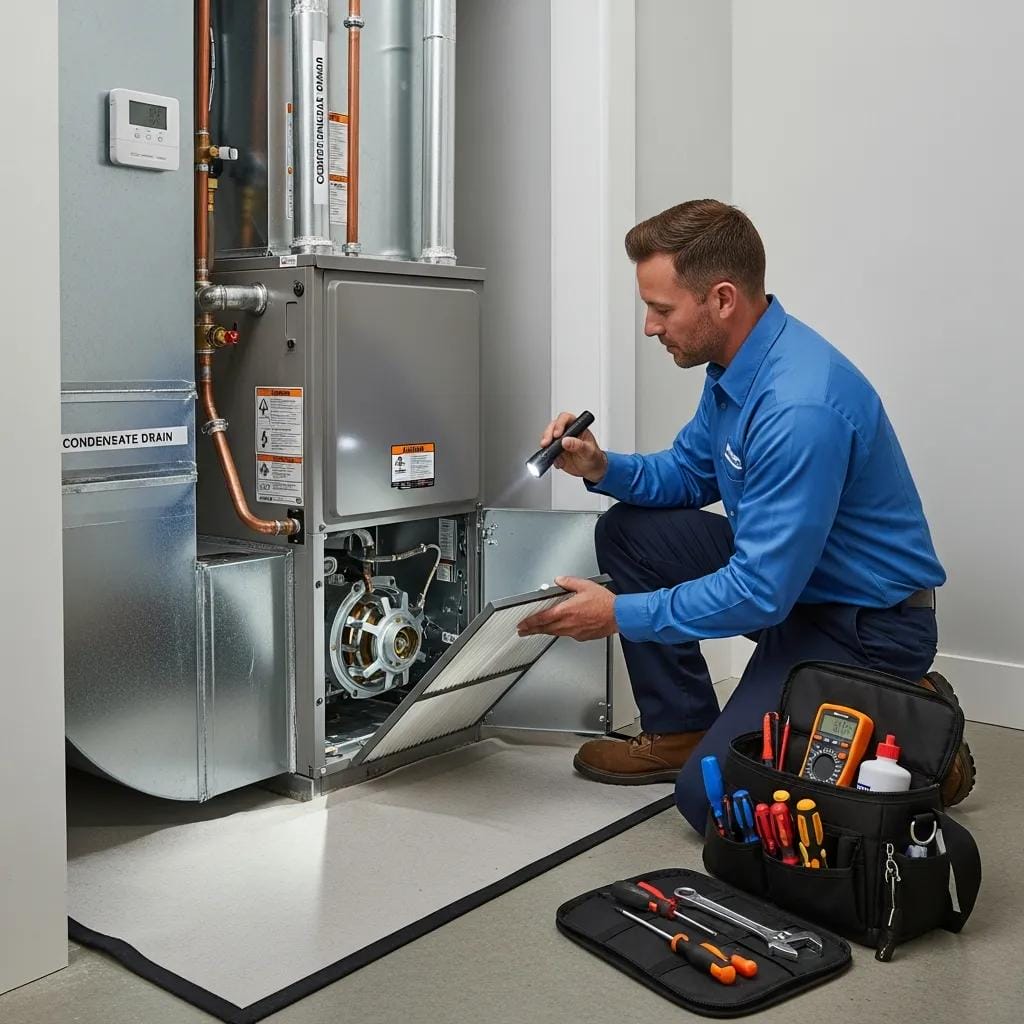
- Regular HVAC Maintenance: Routine inspections and maintenance of HVAC systems ensure they operate efficiently, reducing the risk of indoor air pollution caused by malfunctioning equipment.
Research further emphasizes the critical role of advanced HVAC and HEPA filtration in mitigating respiratory pathogens and addressing public health challenges.
Advanced HVAC & HEPA Filtration for Pathogen Control
Advanced HVAC systems integrated with HEPA filtration (H13-H14, >99.95% efficiency at 0.3 μm) emerge as key interventions to capture aerosols and dilute contaminants, addressing historical gaps exposed by pandemics like 1918 influenza and COVID-19.
Clearing The Air: The Role Of Advanced HVAC And HEPA Filtration In Mitigating Respiratory Pathogens, 2025
Steira Air LLC specializes in HVAC and indoor air quality (IAQ) services focused on reducing indoor air pollution effectively. Their primary offerings include advanced air filtration system installations, ventilation upgrades, and IAQ monitoring solutions tailored for commercial and residential properties.
Air Quality Improvement Strategies
Improving indoor air quality involves implementing various strategies that can significantly reduce pollutants. Here are some effective methods:
- Increase Ventilation: Ensuring proper ventilation helps dilute indoor pollutants and brings in fresh outdoor air. This can be achieved through natural ventilation or mechanical systems.
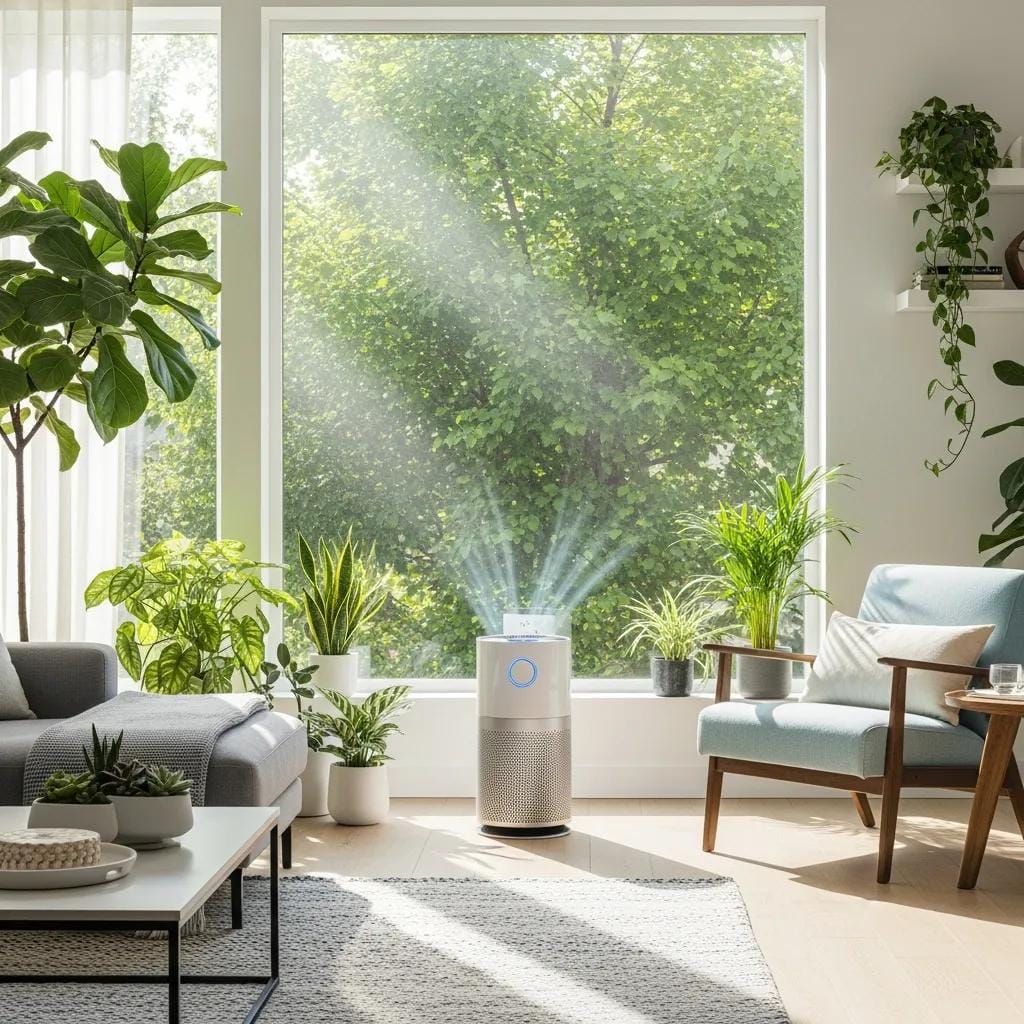
- Use Air Purifiers: Portable air purifiers equipped with HEPA filters can effectively remove particulate matter and allergens from the air, providing an additional layer of protection against indoor pollutants.
- Conduct Regular Air Quality Assessments: Regular assessments help identify sources of pollution and monitor air quality levels, allowing for timely interventions.
By integrating specialized IAQ services, Steira Air LLC can assist in implementing these strategies, ensuring a healthier indoor environment.
Practical Tips for Maintaining a Healthy Indoor Environment
Maintaining a healthy indoor environment requires ongoing effort and awareness. Here are some practical tips to help you achieve this:
- Minimize VOCs: Volatile organic compounds (VOCs) are emitted from various household products. Opt for low-VOC paints, cleaning supplies, and furnishings to reduce exposure.
- Control Indoor Sources of Pollution: Regularly clean and maintain appliances, such as stoves and heaters, to prevent the buildup of harmful emissions.
- Educate Occupants: Informing everyone in the household or workplace about the importance of air quality and how to maintain it can foster a collective effort toward a healthier environment.
What Are the Primary Indoor Air Pollutants Affecting Your Health?
Indoor air pollutants can significantly impact health and comfort. The primary pollutants include:
- VOCs: These compounds can cause headaches, dizziness, and long-term health effects with prolonged exposure.
- Particulate Matter: Fine particles can penetrate the respiratory system, leading to respiratory issues and cardiovascular problems.
- Mold Spores: Mold can thrive in damp environments, causing allergic reactions and respiratory issues.
Understanding these pollutants is crucial for implementing effective reduction strategies.
How Do Indoor Pollutants Affect Health and Comfort?
Indoor pollutants can lead to various health issues, including:
- Respiratory Issues: Exposure to pollutants can exacerbate asthma and other respiratory conditions.
- Cognitive Function: Poor air quality can impair cognitive performance and concentration.
- Long-Term Health Effects: Prolonged exposure to certain pollutants can lead to chronic health conditions, including heart disease and lung cancer.
Addressing indoor air quality is essential for maintaining overall health and well-being.
How Can HVAC System Upgrades Improve Indoor Air Quality?
Upgrading HVAC systems can significantly enhance indoor air quality through several mechanisms:
- Advanced Filtration: Newer systems often come with advanced filtration options that capture smaller particles and allergens.
- Better Ventilation: Upgraded systems can improve air exchange rates, reducing the concentration of indoor pollutants.
- Humidity Control Features: Modern HVAC systems can better regulate humidity levels, preventing mold growth and improving comfort.
Steira Air LLC offers HVAC system upgrades that can help improve indoor air quality effectively.
What HVAC Air Purification Systems Are Most Effective?
When considering air purification systems, the following options are among the most effective:
- HEPA Filters: These filters can capture 99.97% of particles as small as 0.3 microns, making them highly effective for allergens and dust.
- Activated Carbon Filters: These filters are excellent for removing odors and VOCs from the air.
- UV Light Technology: UV light systems can kill bacteria and viruses, providing an additional layer of protection against airborne pathogens.
Further studies highlight the specific capabilities of activated carbon filters in addressing harmful gaseous pollutants like VOCs and ozone.
Activated Carbon Filters for VOC & Ozone Removal
widely in air cleaning to remove volatile organic compounds (VOCs) and ozone (O 3 ). This paper investigates the O 3 removal efficiency of AC filters after previous exposure to VOCs.
Effect of VOC loading on the ozone removal efficiency of activated carbon filters, SA Batterman, 2006
How Often Should HVAC Systems Be Serviced for Optimal Air Quality?
Regular servicing of HVAC systems is crucial for maintaining optimal air quality. Recommended service frequency includes:
- Filter Replacement: Filters should be replaced every 1-3 months, depending on usage and type.
- Duct Cleaning: Ducts should be cleaned every 3-5 years to remove accumulated dust and allergens.
- Routine Inspections: Annual inspections can help identify potential issues before they affect air quality.
What Are the Best Air Filtration Methods to Reduce Airborne Contaminants Indoors?
To effectively reduce airborne contaminants, consider the following air filtration methods:
- HEPA Filters: Ideal for capturing allergens and fine particles.
- Activated Carbon Filters: Effective for removing odors and chemical vapors.
- Electrostatic Filters: These filters use an electric charge to attract and capture particles, providing efficient filtration.
How Do MERV Ratings and Filter Types Influence Pollutant Removal?
MERV (Minimum Efficiency Reporting Value) ratings indicate the effectiveness of air filters. Higher MERV ratings correspond to better pollutant removal capabilities. Key points include:
- HEPA Filter Effectiveness: HEPA filters typically have a MERV rating of 17-20, making them highly effective for capturing small particles.
- Activated Carbon Filter Roles: These filters usually have lower MERV ratings but excel in removing gases and odors.
- Standard Filter Limitations: Standard filters may not capture smaller particles effectively, making them less suitable for improving indoor air quality.
Which Air Filters Are Recommended for Residential and Commercial Use?
For both residential and commercial settings, the following air filters are recommended:
- HEPA Filters for Allergies: Ideal for individuals with allergies or asthma.
- Activated Carbon Filters for Odors: Effective in kitchens and areas with strong odors.
- UV Light for Pathogens: Recommended for healthcare facilities to reduce the spread of infections.
How Does Continuous IAQ Monitoring Support Indoor Pollutant Removal Methods?
Continuous indoor air quality (IAQ) monitoring plays a vital role in managing indoor pollutants. Key benefits include:
- Real-Time Data: Continuous monitoring provides immediate feedback on air quality levels, allowing for prompt action.
- Integration with HVAC Systems: IAQ monitors can be integrated with HVAC systems to optimize performance based on real-time data.
- Proactive Air Quality Management: Regular monitoring helps identify trends and potential issues before they become significant problems.
What IAQ Monitoring Devices Detect and Report Pollutant Levels?
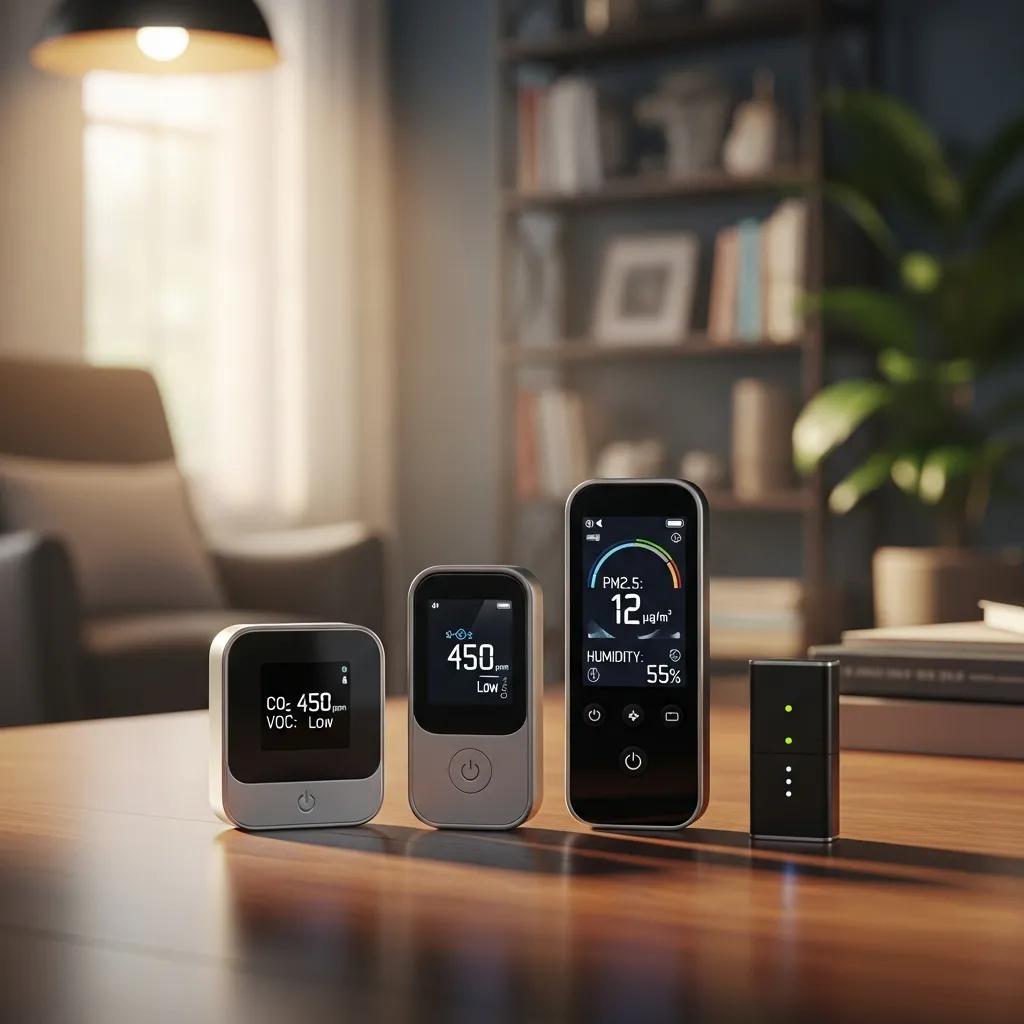
Several devices are available for monitoring indoor air quality, including:
- Air Quality Monitors: These devices measure various pollutants, including particulate matter and VOCs.
- Smart IAQ Sensors: These sensors provide real-time data and can be connected to smart home systems for enhanced monitoring.
- Data Loggers: These devices record air quality data over time, allowing for trend analysis and reporting.
How Does Real-Time Monitoring Enhance HVAC and Ventilation Performance?
Real-time monitoring enhances HVAC and ventilation performance by:
- Enhanced Control: Immediate data allows for adjustments to be made to HVAC systems for optimal performance.
- Immediate Adjustments: Systems can respond to changes in air quality, ensuring a consistently healthy environment.
- Improved Air Quality: By maintaining optimal conditions, real-time monitoring contributes to overall indoor air quality improvement.