Professional Mold Remediation Services in Snellville, GA
By Charles Raglin, Steira Air
Mold growth can pose significant challenges for homeowners and businesses, creating health hazards and affecting indoor environments. Understanding how to identify and address mold issues is crucial for maintaining safety and quality of life. This article delves into professional mold removal services in Snellville, GA, emphasizing the importance of expert inspection and remediation strategies. Readers will learn about the signs and risks of mold growth, the effects on air quality and health, the types of mold commonly found in properties, and how professional services can mitigate these dangers. Additionally, this piece will cover essential technologies used for mold detection and the reasons why hiring certified inspectors is critical for effective remediation.
What Are the Signs and Risks of Mold Growth in Snellville Homes and Businesses?
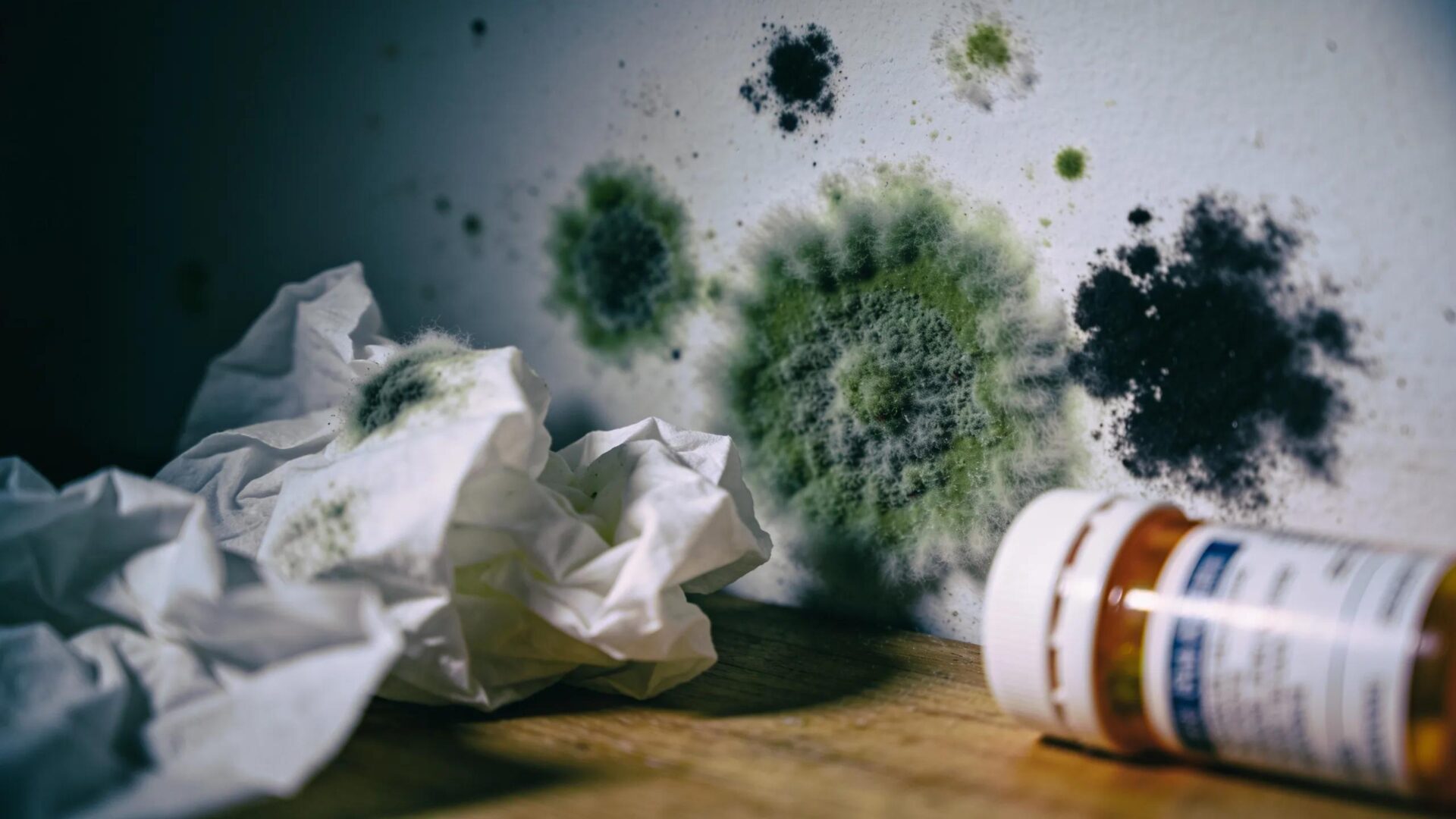
Mold often thrives in damp, humid conditions, making it a common issue in Snellville homes and businesses. Key signs of mold growth include visible discoloration on walls or ceilings, musty odors, and increased allergy-like symptoms among occupants. These signs are crucial indicators that should not be overlooked, as mold spores can significantly impact indoor air quality. Prolonged exposure can lead to serious health risks, including respiratory problems, skin irritation, and other allergic reactions. Therefore, recognizing these signs early is essential for prompt intervention.
How Does Mold Affect Indoor Air Quality and Occupant Health?
Mold degrades indoor air quality by releasing spores and mycotoxins into the environment, which can trigger various health issues. When mold spores are inhaled, they can cause respiratory problems, including asthma, bronchitis, and allergic reactions, particularly in sensitive individuals. Moreover, indoor air quality deteriorates as mold proliferates, leading to noticeable symptoms such as coughing, sneezing, and fatigue. It is vital to address mold infestations not only to safeguard physical health but also to improve overall comfort in indoor spaces.
This concern is reinforced by the U.S. Environmental Protection Agency (EPA), which advises that controlling indoor moisture is the most effective way to prevent mold-related respiratory problems, including asthma. Because no safe exposure threshold for mold has been established, the EPA recommends addressing damp conditions promptly rather than waiting for visible growth to appear.
Which Types of Mold Commonly Occur in Snellville, GA Properties?
Several types of mold are frequently found in Snellville properties, including the notorious black mold (Stachybotrys chartarum) known for its potential health hazards. Other common types include Aspergillus, Cladosporium, and Penicillium, each presenting unique challenges and risks. For instance, while some molds can be less harmful, black mold can produce mycotoxins that significantly affect health and should be addressed by professionals. Understanding these molds can aid homeowners and businesses in taking proactive measures against potential infestations.
How Do Professional Mold Inspection and Testing Services in Snellville Work?
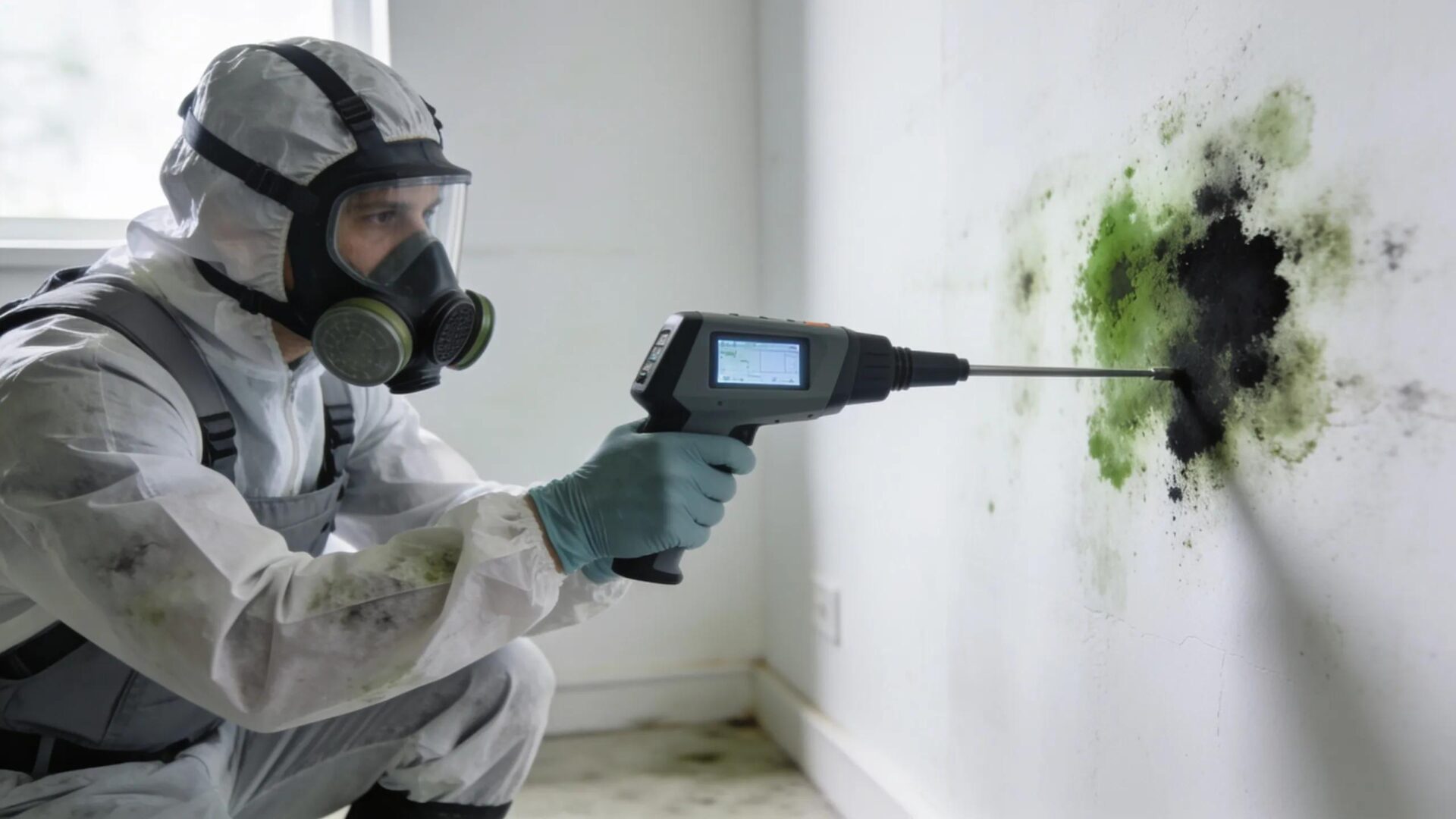
Professional mold inspection and testing services involve a thorough examination of the property to identify mold growth and the conditions facilitating its development. Inspectors typically conduct visual assessments, utilize thermal imaging cameras, and collect samples for lab analysis to determine the type and extent of mold present. This comprehensive approach ensures that all potential problem areas are identified, which is crucial for effective remediation.
Testing Methods Used for Mold Detection
- Air Sampling: Detects the types and concentrations of mold spores in the air.
- Surface Sampling: Involves swabbing or tape lifting samples from surfaces to identify mold presence.
- Bulk Sampling: Collects materials from walls or other surfaces suspected of having mold to assess contamination levels.
These methods provide valuable data to guide remediation strategies effectively.
What Technologies and Methods Are Used for Accurate Mold Detection?
Mold detection technologies have advanced significantly, enabling professionals to identify mold issues with precision. Common technologies include:
- Moisture Meters: Measure the moisture levels in materials, aiding in identifying areas prone to mold growth.
- Thermal Imaging Cameras: Visualize temperature differences that indicate moisture problems.
- Laser Particle Counters: Quantify airborne particles, including mold spores, to evaluate air quality.
These tools enhance the ability to detect mold swiftly and accurately, guiding effective remediation efforts.
Why Choose Certified Mold Inspectors for Reliable Assessments?
Hiring certified mold inspectors ensures that the assessments are conducted by trained professionals equipped with the expertise to identify and address mold issues. Certified inspectors possess knowledge of local regulations and industry standards, providing a higher level of confidence in the inspection results. Furthermore, they can recommend appropriate remediation strategies tailored to the specific type of mold identified, thus ensuring safe and effective solutions.
What Are the Steps Involved in Effective Mold Remediation and HVAC Mold Cleaning?
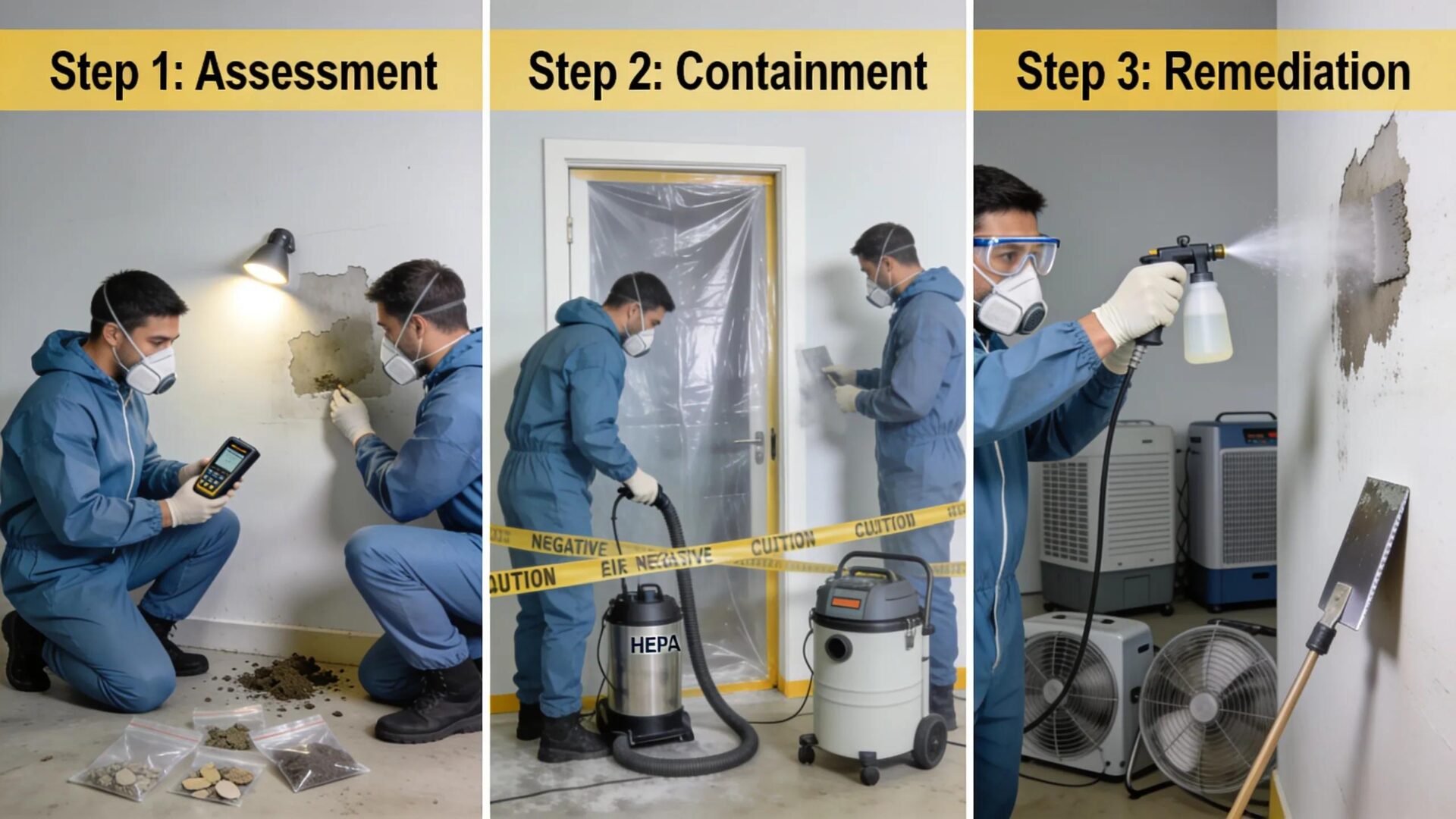
Mold remediation is a comprehensive process that typically includes several critical steps:
- Assessment: Identifying the extent of mold growth and underlying moisture sources.
- Containment: Isolating the affected area to prevent spore spread.
- Removal: Safely removing contaminated materials and cleaning affected surfaces.
- Drying: Treating and drying the area to eliminate moisture.
- Testing: Post-remediation testing to ensure mold has been effectively eliminated.
Effective remediation not only removes existing mold but also prevents future infestations, ensuring a safe environment for occupants.
How Does Professional HVAC Mold Cleaning Improve System Efficiency?
HVAC systems can harbor mold if not maintained properly, leading to health issues and operational inefficiencies. Professional mold cleaning enhances system efficiency by:
- Improving Airflow: Clean ducts promote better airflow, reducing energy consumption.
- Preventing Recurrence: Regular cleaning inhibits mold regrowth within the HVAC system.
- Enhancing Indoor Air Quality: Removing contaminants leads to healthier indoor environments.
Proper HVAC cleaning and maintenance are essential for preventing mold-related problems and ensuring optimal system performance.
What Does a Comprehensive Mold Remediation Plan Include?
A robust mold remediation plan encompasses several key components:
- Assessment Report: Detailed findings from the initial inspection.
- Remediation Strategy: Specific steps outlined for addressing mold removal and prevention.
- Post-Remediation Testing: Confirmation that mold levels are acceptable after remediation.
- Prevention Measures: Strategies to reduce the likelihood of future mold growth, including moisture control practices.
This holistic approach ensures not only the immediate remediation of a mold issue but also the long-term protection of the property.
What Are the Costs and Benefits of Mold Removal Services in Snellville, GA?
Understanding the economics of mold removal is crucial for property owners. The costs can vary significantly based on the extent of the mold problem, with professional services typically starting from $500 to $2,500 for comprehensive remediation. However, the benefits of investing in mold removal services far outweigh the costs, including:
- Health Safeguards: Reduces health risks associated with mold exposure.
- Property Value Preservation: Protects property value by preventing structural damage.
- Improved Indoor Air Quality: Enhances overall comfort for occupants.
How Is Mold Remediation Priced and Are Financing Options Available?
Factors that influence mold remediation pricing include the size of the affected area, the type of mold present, and the degree of damage. Many professionals offer flexible payment plans or financing options, making it easier for homeowners to address mold issues without financial strain.
What Are the Long-Term Benefits of Professional Mold Removal for Property Owners?
The long-term benefits of professional mold removal services encompass various aspects:
- Enhanced Health: Improved indoor air quality contributes to better health outcomes for occupants.
- Increase in Property Value: A thorough mold remediation can maintain or even elevate a property’s value.
- Peace of Mind: Ensures a safe, mold-free environment, allowing homeowners to feel secure in their living spaces.
In Snellville, GA, Steira Air, LLC specializes in HVAC and indoor air quality services with a clear focus on professional mold inspection and remediation services.